
The Allure of Chance and Risk
The thrill of gambling is deeply rooted in the allure of chance, which draws people to casinos. This attraction often stems from the unpredictable nature of games, where outcomes are not guaranteed. Players find themselves captivated by the potential for significant rewards, which can lead to a heightened state of arousal and excitement. This psychological rush becomes addictive as the brain releases dopamine, a neurotransmitter associated with pleasure and reward, reinforcing the desire to continue playing. For those looking to explore their options, the best online pokies australia can provide thrilling experiences that keep the excitement alive. The unpredictability becomes a magnet for the adventurous spirit, as each spin of the wheel or roll of the dice holds the promise of a life-changing moment.
Additionally, many individuals are motivated by the concept of risk-taking. Engaging in activities that involve uncertainty may boost self-esteem and provide a sense of empowerment. Gamblers often view their ability to make risky decisions as a reflection of their confidence and strategy. For some, the act of betting becomes a challenge, where players believe they can outsmart odds or influence the outcome through skill or intuition. This belief is particularly strong in games perceived as having an element of strategy, such as poker, where players think they can leverage their skills to gain an advantage over others.
This attraction to risk often correlates with personal traits. Research indicates that certain personalities, such as sensation seekers and thrill-seekers, are more likely to engage in gambling activities. These individuals tend to enjoy new experiences and the adrenaline rush associated with risk. Consequently, casinos strategically design their environments to enhance these feelings, with vibrant lights, sounds, and an atmosphere that promotes excitement and anticipation. This carefully curated environment ensures that players remain engaged longer, tapping into their psychological need for stimulation and novelty.
The Role of Cognitive Biases
Cognitive biases play a significant role in how individuals interpret their gambling experiences. One common bias is the illusion of control, where players believe they can influence outcomes in games of chance. This perception can lead to overconfidence, prompting individuals to gamble more frequently than they should. For instance, a player may think that previous wins predict future success, leading to a dangerous cycle of continued play and increased bets. This overestimation of control not only affects individual choices but also contributes to a broader gambling culture that often overlooks the inherent randomness of the games.
Another prevalent cognitive bias in gambling is the gambler’s fallacy, which is the belief that past outcomes will influence future results. For example, if a player has experienced a series of losses, they may assume that a win is “due” and continue to gamble in hopes of reversing their luck. This erroneous thinking can perpetuate a cycle of loss, leading to increased financial risk as individuals chase their losses, often in vain. The gambler’s fallacy exemplifies how cognitive distortions can lead to reckless financial behaviors, as players disregard statistical realities in favor of hopeful thinking.
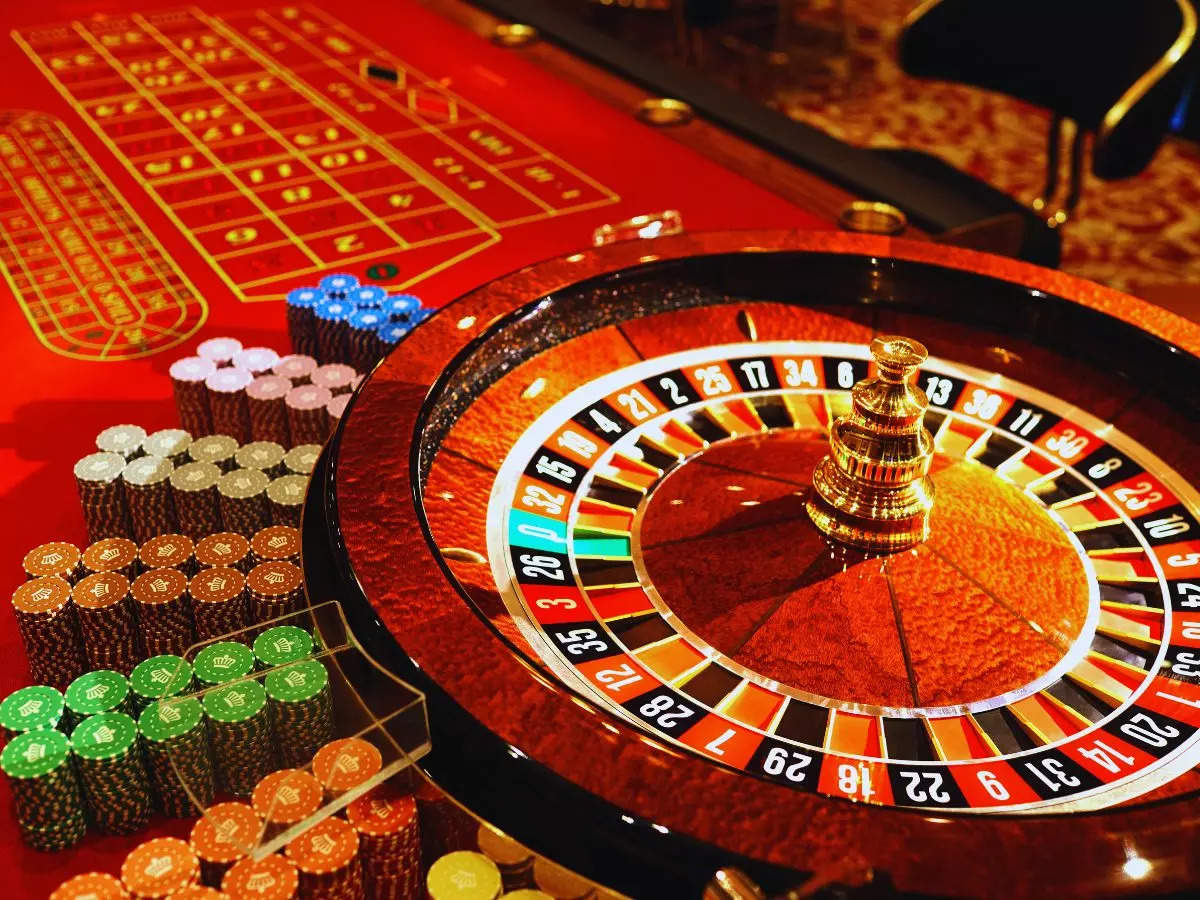
These cognitive biases highlight the importance of understanding one’s mental processes while gambling. Recognizing these distortions can be critical in helping players make more informed decisions. Awareness of such biases can empower individuals to approach gambling with a clearer mindset, potentially mitigating the risks associated with addiction and financial loss. By equipping themselves with knowledge about these biases, gamblers can develop strategies to counteract their effects and make more rational choices when engaging in gambling activities.
Emotional Factors in Gambling
Emotions significantly impact gambling behavior, often driving individuals to casinos as a means of escapism. Many gamblers seek the thrill of winning as a way to cope with stress, anxiety, or depression. The temporary relief that comes from engaging in gambling activities can provide a distraction from everyday problems. However, this coping mechanism can quickly evolve into problematic behavior if not managed properly. The allure of a potential win can become a way to temporarily escape emotional turmoil, creating a reliance on gambling that can lead to further psychological distress.
Furthermore, the excitement and highs associated with winning can create a feedback loop, reinforcing the behavior. Players may experience a range of emotions, from elation during a win to despair during a loss. The oscillation between these emotional states can become addictive, as individuals crave the highs while attempting to avoid the lows. This emotional rollercoaster can lead to a cycle of gambling that is hard to break. The thrill of a win often overshadows the risks and consequences of losses, leading players to chase that fleeting high, often at the expense of their financial stability and mental health.
The social aspect of gambling also ties into emotional experiences. Group gatherings at casinos can foster feelings of camaraderie and belonging, enhancing the experience. Players may be motivated by social pressure or the desire to fit in, leading them to gamble more than they intended. Understanding these emotional triggers can help individuals develop healthier relationships with gambling, ensuring it remains a form of entertainment rather than a destructive habit. By recognizing the social dynamics at play, gamblers can make more conscious choices about their involvement in gaming environments.
The Influence of Environment on Gambling Behavior
The environment of a casino is meticulously designed to enhance the gambling experience, tapping into the psychology of players. Factors such as lighting, sound, and layout are carefully orchestrated to create a captivating atmosphere. Bright lights and sounds are strategically used to evoke excitement and keep players engaged for longer periods. This immersive environment can lead to disorientation and time distortion, causing gamblers to lose track of time and spending. The absence of natural light and the arrangement of gaming machines are intentional choices meant to keep players inside the casino longer, often leading to increased gambling activity.

Additionally, casinos often employ various reinforcement schedules to encourage continued play. Free drinks, complimentary meals, and loyalty programs are tactics used to keep players on the gaming floor. These incentives can create a sense of loyalty and encourage gamblers to spend more time and money than initially planned. By continually rewarding players, casinos capitalize on the psychological need for validation and instant gratification. This dynamic can create a sense of entitlement among players, as they feel they deserve to win simply because they are frequently rewarded with small perks.
Moreover, the arrangement of games can influence decision-making. High-stakes games are typically positioned prominently, enticing risk-takers to engage. Meanwhile, the absence of windows and clocks can create a sense of timelessness, further trapping players in the gambling environment. Understanding how environmental factors affect behavior can empower individuals to make informed decisions about their gambling habits and mitigate potential risks associated with their environment. By being aware of these manipulative design elements, players can better navigate their experiences and avoid falling into the traps set by casino architecture.
Learning More About Gambling Psychology on Dedicated Platforms
To delve deeper into the psychology behind casino gambling, numerous resources are available through dedicated platforms focusing on gambling behavior and mental health. These websites provide a wealth of information on gambling addiction, cognitive biases, emotional factors, and strategies for responsible gambling. With a focus on education and awareness, these resources aim to equip individuals with the knowledge needed to navigate the complexities of gambling. Accessing this information can empower players to recognize their limits and understand the psychological aspects that drive their behaviors.
Engaging with these platforms can help gamblers recognize their patterns and identify when their behavior may be veering into problematic territory. Many offer support services and connections to professional help for those struggling with gambling addiction. Moreover, these resources emphasize the importance of setting boundaries, creating budgets for entertainment, and understanding the potential risks involved in gambling. By fostering a community of support and education, these platforms can play a crucial role in promoting healthier gambling habits.
By actively seeking information and support from reliable sources, individuals can foster a healthier relationship with gambling. Increased awareness can lead to more responsible choices, ensuring that gambling remains a form of entertainment rather than a source of distress. As we continue to explore the psychology behind gambling, the aim is to promote informed decisions and enhance the overall gaming experience. By understanding the psychological underpinnings of gambling, players can enjoy their time in casinos responsibly and with a better awareness of their choices.